
THE FUTURE OF DESIGN 2026: AI MOVED THE CEILING, NOT THE FLOOR.
For two years the conversation has been about the floor. Whether it's falling out from under our rates. Whether cheap work eats the bottom of the market. Whether a client will still pay for an identity when they can generate forty logos before lunch.
Fair questions. Wrong wall. The thing that moved isn't the floor under your pricing. It's the ceiling over your business, and it went up so fast that most of us are still ducking.
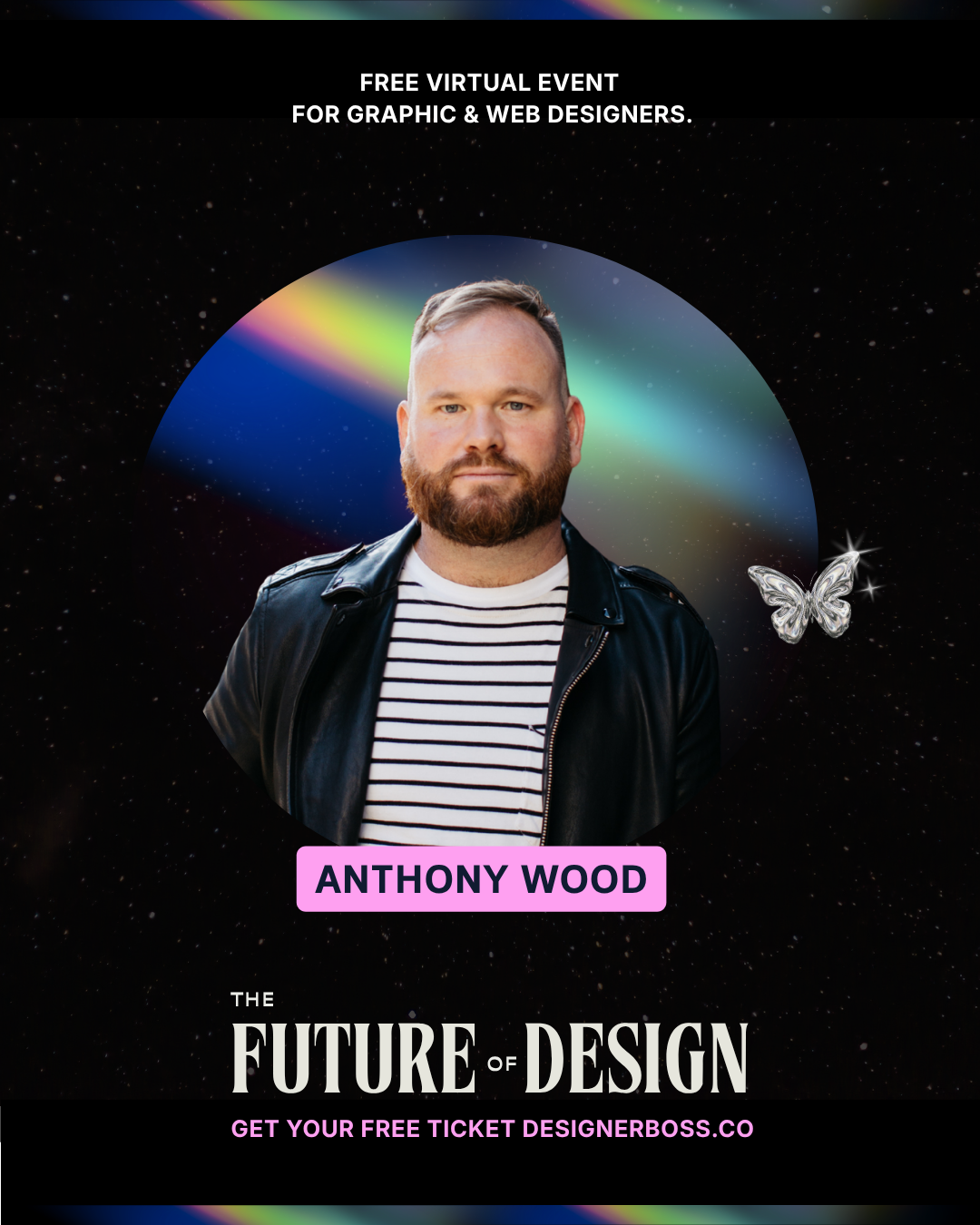
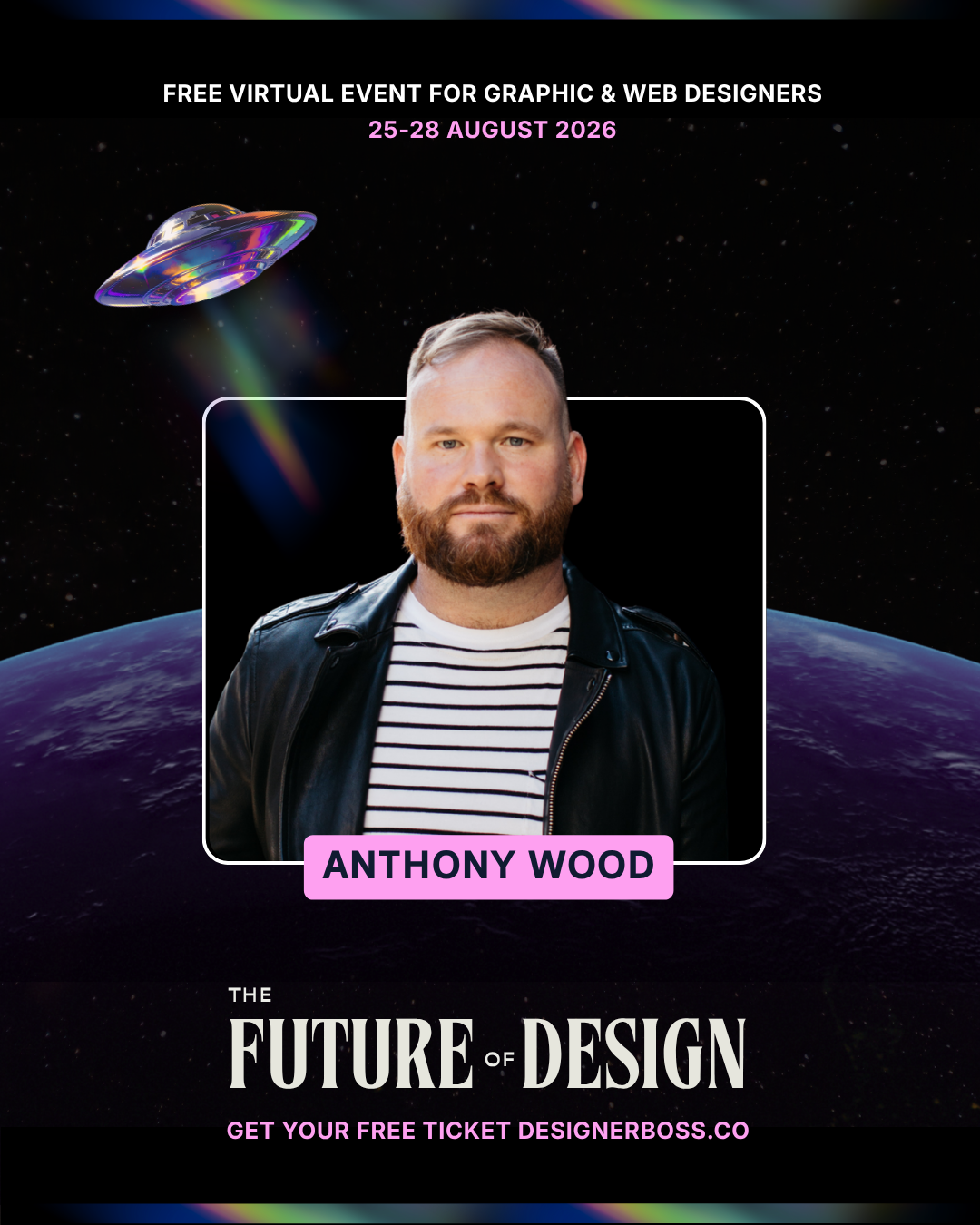
I'm speaking at the Designer Boss Summit on Monday 24 August, and this is the argument I'm bringing. It's also the argument the Creative Futures Hub was built around, so consider this the long version.
Speed was never your problem
Every AI product aimed at designers sells you the same thing: time. Faster mockups. Faster decks. Forty concepts in the time it took you to open Illustrator.
So be honest with yourself for a second. When did you last lose a job because you were too slow?
You lost it on budget. You lost it because the client wanted the film as well as the identity and you don't do film. You lost it because the agency down the road could hold the whole thing and you could only hold your part of it.
Speed is a lovely upgrade if you're a studio of forty people trying to protect margin. If you're one person, or three, shaving hours off production changes almost nothing about what you're allowed to sell. You just get to the same ceiling faster.
What changed is how much one person can hold
Here's the part nobody put on a conference slide. Think about the last three briefs you turned down, or quietly scoped down until they fit you. Not the ones you lost. The ones you shrank.
The launch film you sent to a motion friend. The campaign imagery you couldn't afford to shoot. The naming round you don't really offer. The tiny internal tool the client asked for at the end of the project, the one you said wasn't your area. The strategy artefact you produced in a hurry because it wasn't billable.
That list is not a list of your weaknesses. It's a list of things that used to require a payroll, and now require a Tuesday.
I watched a designer in our community do this on a live job earlier this year. Solo brand designer, identity project, the kind that normally ends at a PDF of guidelines and a warm handover email. The client mentioned, in passing, that launch content was going to an agency. She asked for a week. She came back with a 40-second launch film and a set of campaign images no photography budget on that job could have touched, all of it art-directed within an inch of its life because that part is her actual job. The identity fee was the smallest line on the final invoice.
Same designer. Same taste. Different perimeter. That is what an inflection point looks like from the inside: the work stays yours, and the fence around it moves.
The catch, and it's a big one
None of this works if you can't tell good from plausible.
The failure mode of these tools isn't that they produce rubbish. Rubbish is easy to spot and easy to bin. The failure mode is that they produce something confident, competent, well-lit and completely wrong for the brief, and they produce it in four seconds with the enthusiasm of a junior who really wants the job.
If your process is generate, squint, ship, the expanded ceiling is a liability. You'll take on the film and deliver something that looks like every other AI film on your feed, and your clients scroll the same feed you do. We all learned to clock the A24 look, the Wes Anderson symmetry, the Corporate Memphis blob people. Audiences develop the eye fast. Default AI output is this year's blob people.
The skill that scales here isn't prompting. It's rejection. Knowing precisely why the third option is closer than the first even though the first is prettier, and being able to say it out loud to a client who liked the pretty one.
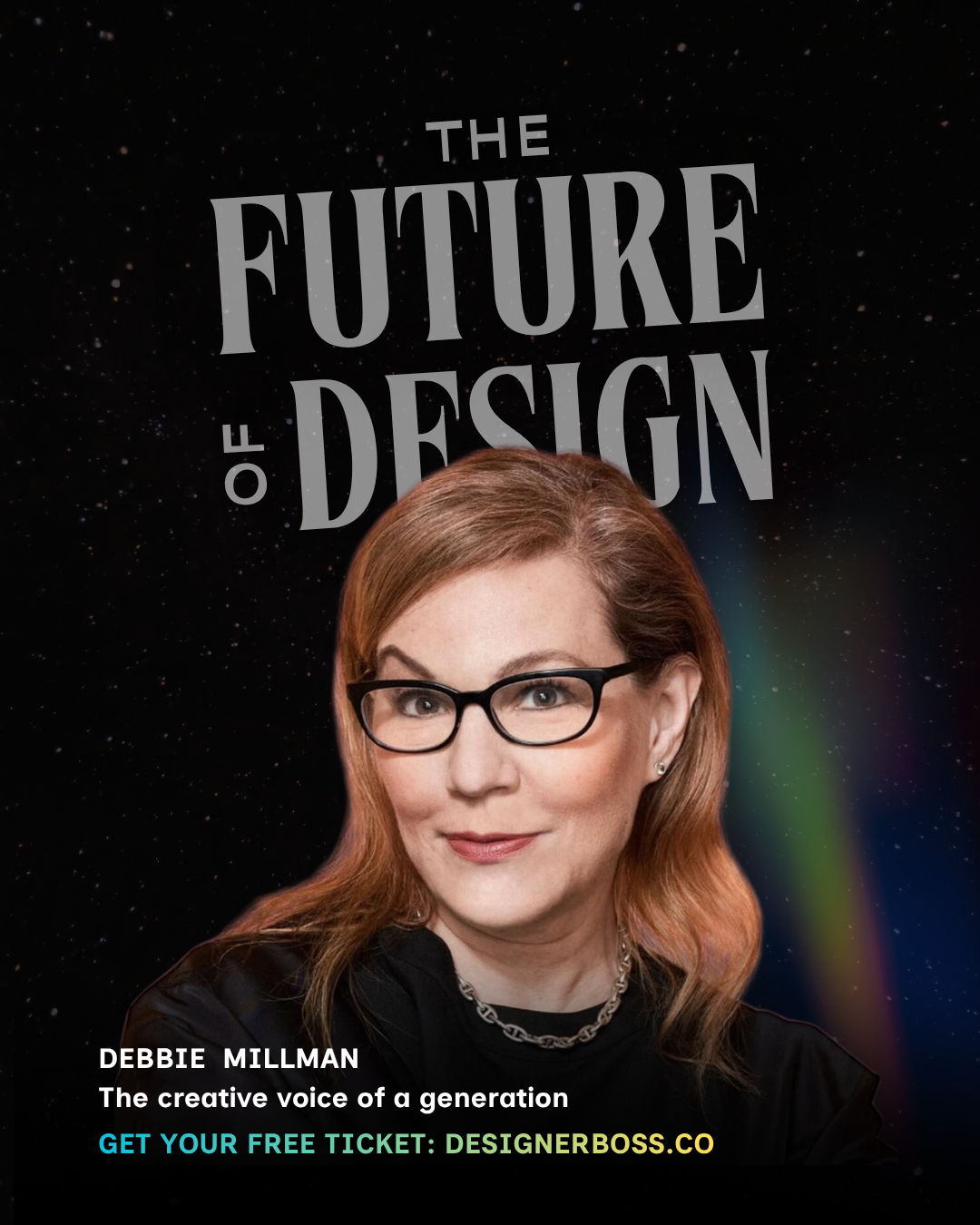
Debbie Millman, who's one of the VIP speakers at this summit, has a line I keep returning to: "Expect anything worthwhile to take a long time." The tools compressed production. They did not compress judgment. Judgment is still built the slow way, by making decisions and living with them.
The inflection point is a decision, not a date
Nobody sends a memo. There's no morning where the industry announces the shift has happened and you may now begin. So here's how I'd test this, and none of it needs a course.
Write the list. The last three briefs you turned down or scoped down. Be specific about what stopped you: skill, cost, time, or nerve. That list is your roadmap and it took you four minutes.
Prototype badly, on yourself. Take the top item and make a rough version for your own brand this month. Not a client's. Your own, where the stakes are zero and the only person who sees the ugly middle is you.
Practise saying no. Sit with a tool for twenty minutes and reject everything it gives you, out loud, with reasons. It feels ridiculous. It's also the single highest-value rep available, because it builds the muscle that makes the wider perimeter safe.
You don't need to be first. First is overrated and mostly populated by people selling courses about being first. You need to be curious on purpose, on a schedule, with something to show for it.
Which is why I'm doing this summit
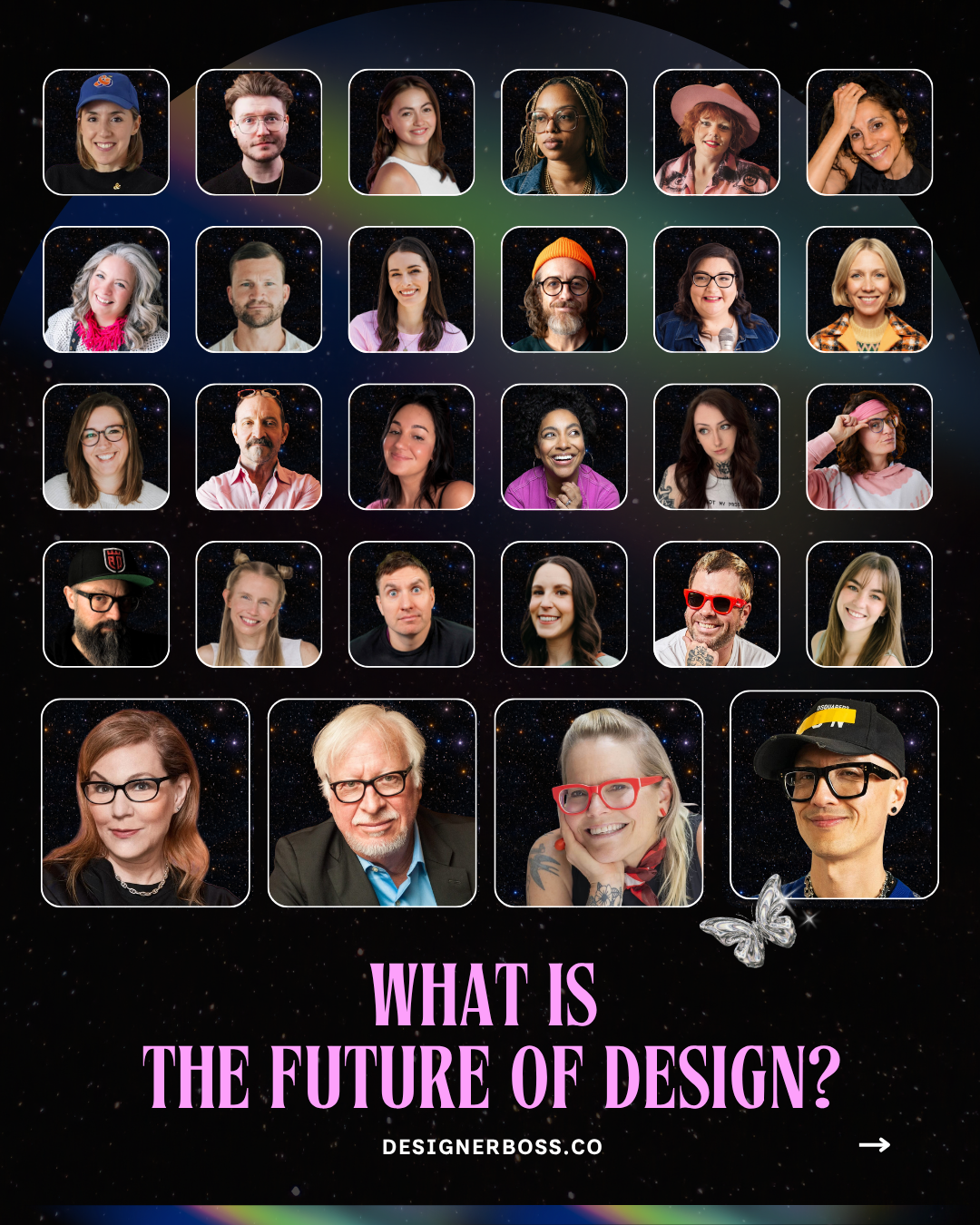
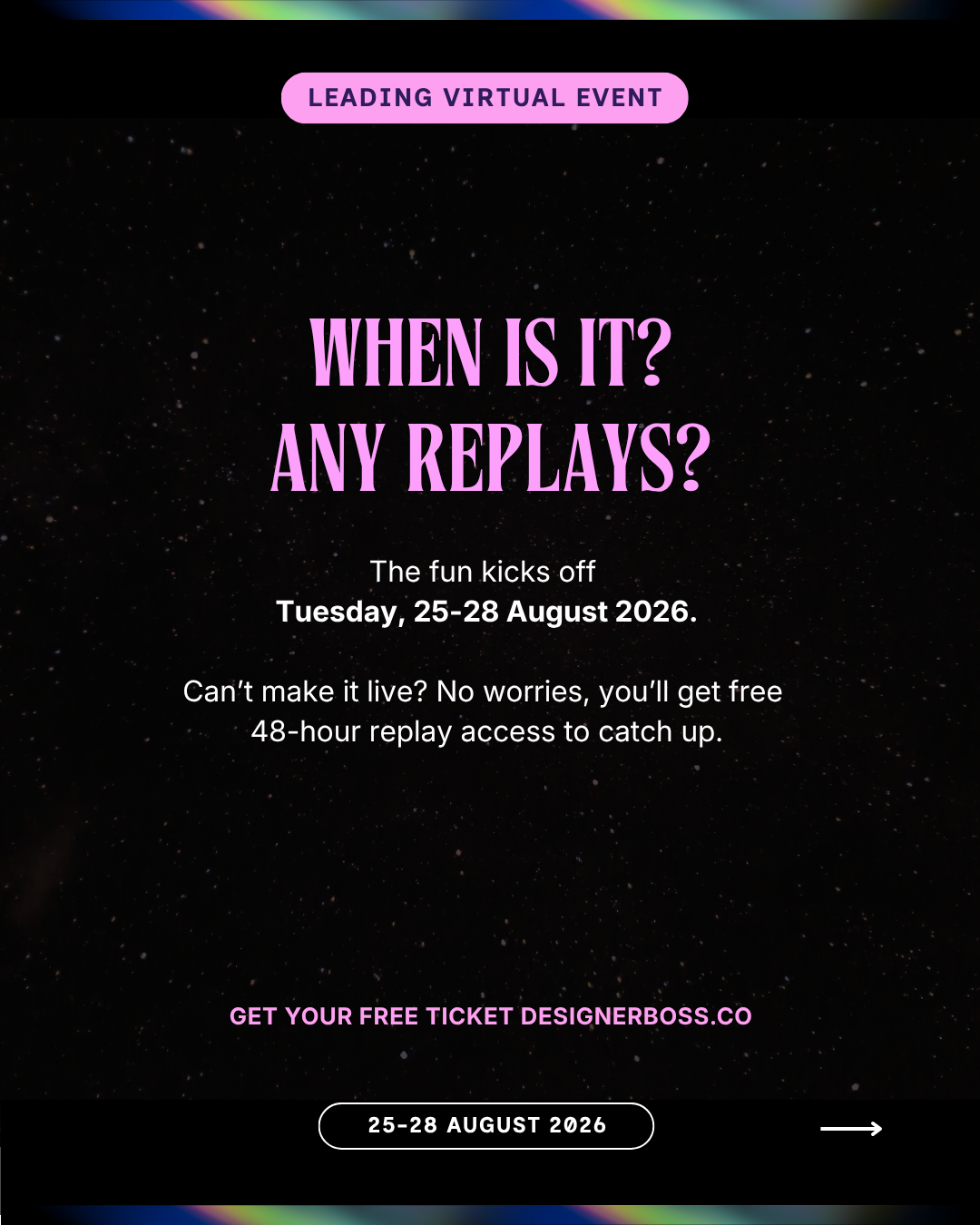
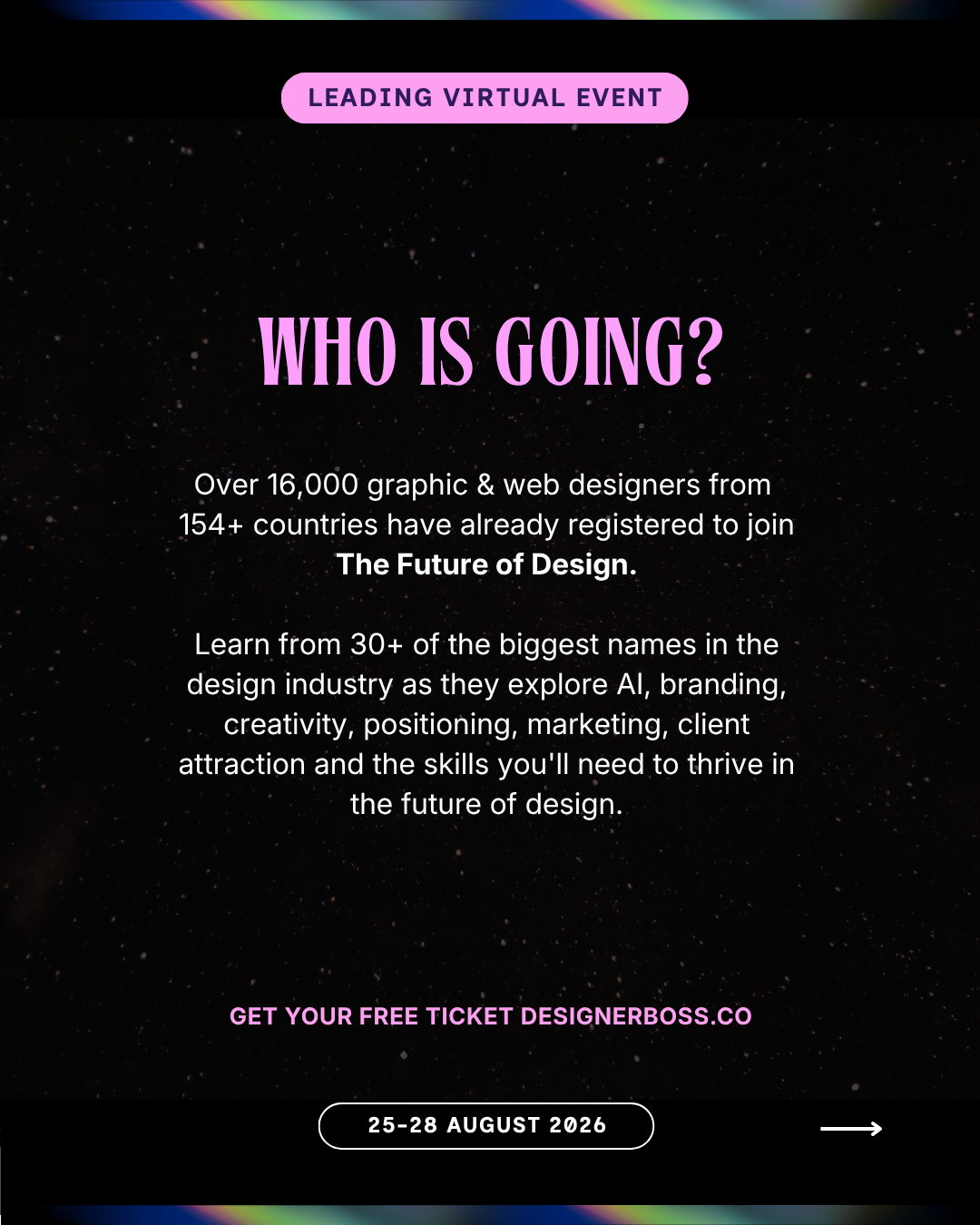
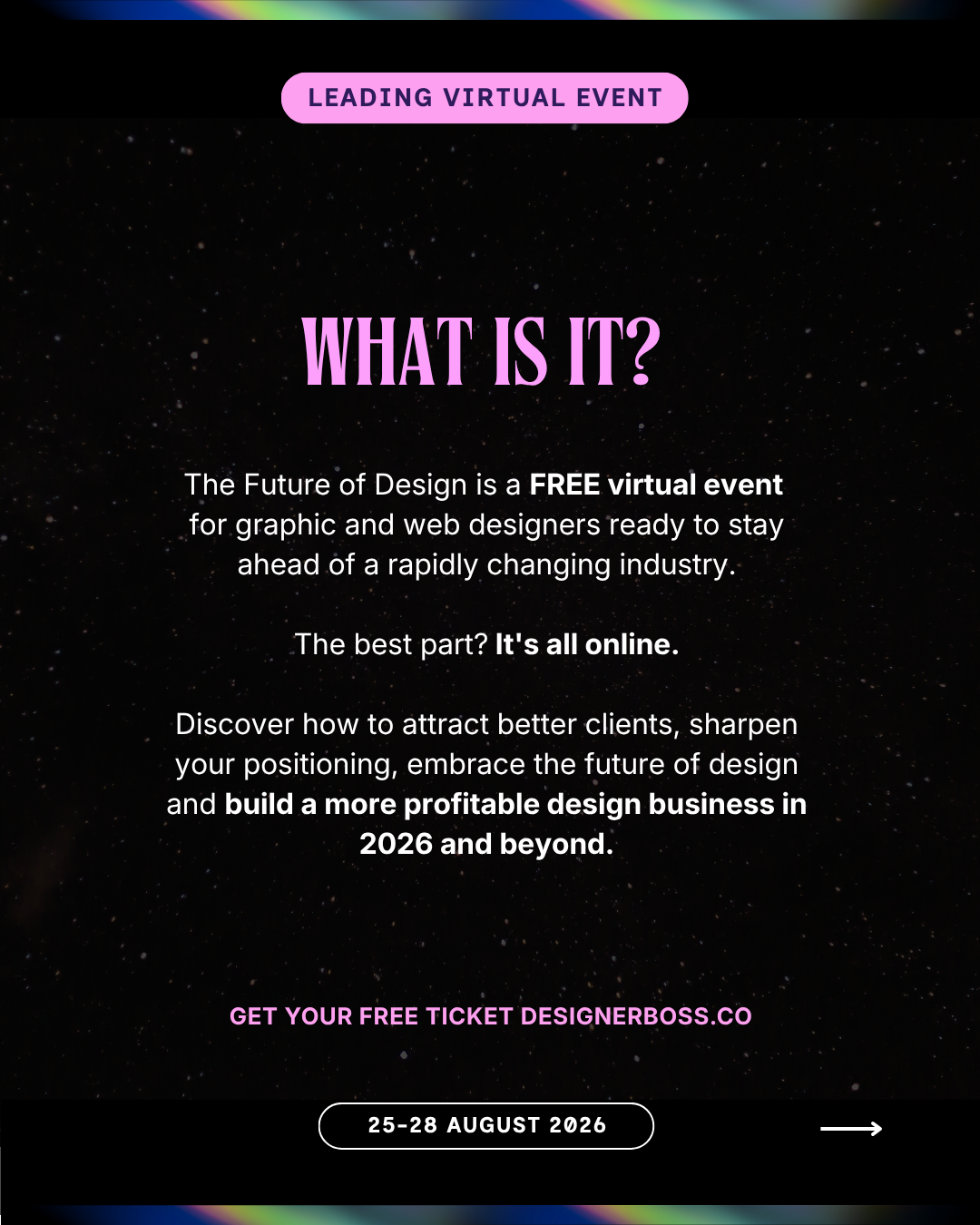
The Designer Boss Summit runs 25 to 28 August. Four days, 25+ speakers, free to attend. My session and live Q&A land Monday 24 August [US time / TIME AEST].
The reason I said yes is the bit I didn't expect. Anna and Emma built the lineup with pro-AI and anti-AI designers deliberately sharing a stage, and they published a position paper that names the ugly parts out loud: work used for training without consent, job displacement, environmental cost, concentration of power, and the gender gap in who's adopting these tools. I've written before about how the industry's official reports keep forgetting graphic designers exist. This event is the opposite of that.
Most events on this topic are either a sales floor or a wake. This one is a room where people disagree in good faith, which is the only room where anyone's argument gets tested. Mine included.
The free ticket gets you every standard session and a minimum of 48 hours of replay. Honestly, that's plenty. If you take nothing else from this post, take the free ticket:
There's also a paid upgrade called the Boss Bundle, and I'll give you the honest read on it because I'm an affiliate and you deserve to know that before you read my opinion.
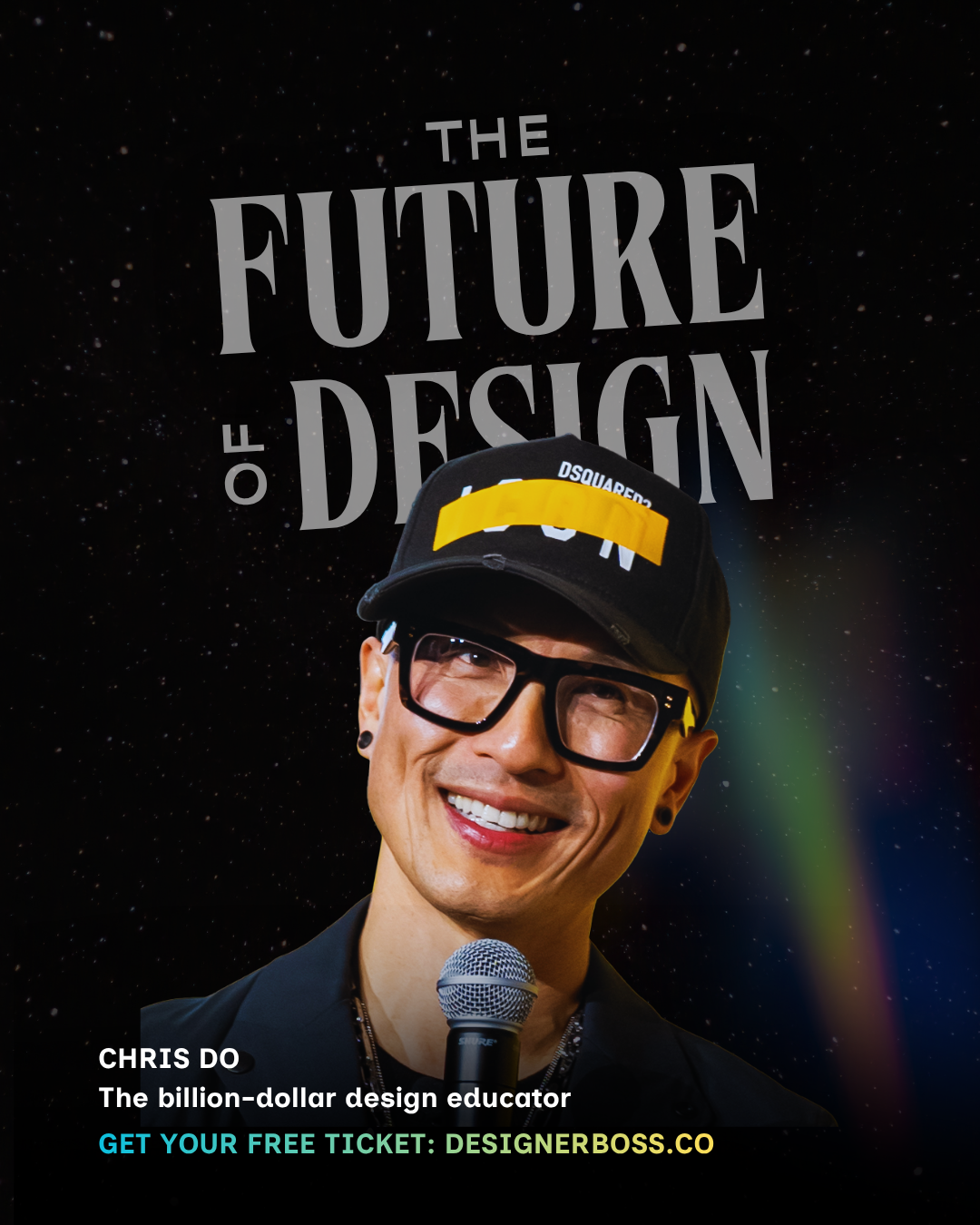
The resource stack is the headline they lead with, and it's substantial. It is not the reason to buy. The reason to buy is the VIP tier: Debbie Millman, Chris Do, Marty Neumeier and Lisa Congdon in 90-minute live sessions with extended Q&A, which are not part of the free ticket, plus lifetime access to every replay instead of 48 hours. If you're the sort of person who watches a session twice and implements on the second pass, that maths works. If you're going to download it all and feel vaguely guilty in October, save your money and take the free ticket.
It's $136 until 23 August and $236 after. There's a 50% first-30-minutes offer at $68 when you sign up, which is the only version of urgency in this whole thing worth paying attention to.
Full disclosure: I earn a commission if you buy through my link. I'd rather say that plainly than bury it in a footer.
One last thing
My contribution to the bundle is three months of VIP access to the Creative Futures Hub, which is where I spend most of my week, arguing about exactly this with designers who are testing it on live client work rather than posting about it. If you want the structured version of the whole argument, that's what the AI Branding Masterclass is for.
But the honest ask is smaller than that. Go and write the list. The three briefs you shrank. Do it today, before the summit, so you turn up with a question instead of a notebook.
You were never too small for those briefs. You were one payroll short. Not anymore.
Quick answers
Is the Designer Boss Summit 2026 free to attend? Yes. The Future of Design summit runs 25 to 28 August 2026 and every standard session is free, with a minimum of 48 hours of replay access. VIP sessions and lifetime replays are part of the paid Boss Bundle upgrade.
Is the Boss Bundle worth buying? It depends on how you use it. The bundle ($136 early bird, $236 after 23 August) includes around 24 paid resources from the speaker lineup, lifetime replay access, and four exclusive 90-minute VIP sessions with Debbie Millman, Chris Do, Marty Neumeier and Lisa Congdon. If you rewatch and implement, the VIP tier alone justifies it. If you tend to hoard downloads, the free ticket is the better deal.
How is AI changing graphic design in 2026? Less by lowering the floor than by raising the ceiling. The bigger shift for independent designers is scope: launch films, campaign imagery, naming, and small client tools that once required a team are now within reach of one designer with strong art direction. The scarce skill is judgment, knowing what to reject, not prompting.
Anthony Wood is the founder of House of gAi, creator of the AI Branding Masterclass and host of the Creative Futures Hub. He's speaking at the Designer Boss Summit on Monday 24 August, with a live Q&A straight after.